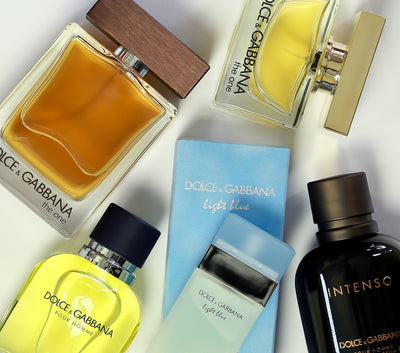

In the world of personal style and self-expression, few accessories hold as much power as a well-chosen fragrance. Perfume has the ability to evoke emotions, create lasting impressions, and even influence the way we are perceived by others. However, the art of applying perfume is often overlooked, with many individuals unknowingly making mistakes that can diminish the impact of their signature scent.
At PerfumeDeJour.com, we believe that mastering the proper application of perfume is essential for anyone who wants to elevate their fragrance game. Whether you're a seasoned fragrance enthusiast or just starting to explore the world of scents, this comprehensive guide will provide you with the knowledge and techniques to ensure your perfume is applied with precision and maximum effect.
Understanding the Anatomy of Fragrance
Before we dive into the application process, it's important to understand the basic structure of a fragrance. Perfumes are typically composed of three main notes: top notes, middle notes, and base notes.
Top notes are the first scents you'll experience when you apply a fragrance. These are typically light, fresh, and often citrusy or floral in nature. They're designed to grab your attention and create an initial impression.
Middle notes, also known as heart notes, emerge as the top notes begin to fade. These notes are often more complex and well-rounded, providing the core of the fragrance's character. Common middle notes include florals, spices, and woody accords.
Finally, base notes are the foundation of the fragrance, lingering long after the top and middle notes have dissipated. These notes are typically deeper, more intense, and often include scents like musk, vanilla, or amber.
Understanding the layered structure of a fragrance will help you apply it in a way that allows each note to shine and create a harmonious, long-lasting scent.
Proper Application Techniques
Now that you have a better understanding of fragrance composition, let's dive into the proper techniques for applying perfume.
Pulse Points
The key to effective perfume application is to target your body's natural pulse points. These areas, which include the wrists, inner elbows, behind the ears, and the base of the throat, are where your skin is thinnest and the blood vessels are closest to the surface. This allows the fragrance to be absorbed and diffused more efficiently, ensuring a longer-lasting scent.
When applying perfume to your pulse points, be sure to use a light touch. Gently dab or spray the fragrance, rather than rubbing it into the skin. Rubbing can actually cause the scent to dissipate more quickly.
Layering
Another effective technique for applying perfume is layering. This involves using multiple products from the same fragrance family, such as a body lotion, shower gel, and eau de parfum. By layering the scent, you create a more complex and long-lasting fragrance profile.
Start by applying the body lotion or shower gel, then follow up with a light spritz of the corresponding eau de parfum. This allows the fragrance to develop and evolve on your skin throughout the day.
Clothing and Hair
While pulse points are the primary focus for perfume application, don't forget about other areas that can benefit from a touch of fragrance. Lightly misting your clothing, particularly the collar and cuffs, can help the scent linger and project more effectively. You can also apply a small amount of perfume to the ends of your hair, which will release the fragrance as you move.
Moderation is Key
When it comes to applying perfume, less is often more. Overspraying can lead to an overpowering, cloying scent that can be off-putting to those around you. Aim for a light, subtle application that allows the fragrance to gently waft and captivate those in your vicinity.
As a general rule, start with a single spritz or dab, and then assess the strength of the scent. You can always add more, but it's much harder to remove excess fragrance once it's been applied.
Fragrance Layering and Rotation
In addition to proper application techniques, incorporating fragrance layering and rotation into your routine can help you get the most out of your perfume collection.
Fragrance Layering
Layering fragrances involves combining two or more complementary scents to create a unique, personalized fragrance profile. This can be done by applying a base note-heavy fragrance first, followed by a lighter, more floral or citrusy scent on top.
The key to successful fragrance layering is to choose scents that share common notes or have a harmonious relationship. Experimenting with different combinations can be a fun and rewarding way to discover your signature scent.
Fragrance Rotation
Rotating your fragrances throughout the year can also help you get the most out of your collection. Different scents work better in various seasons and climates. For example, lighter, fresher fragrances may be more suitable for the warmer months, while deeper, more intense scents can be better suited for the colder seasons.
By rotating your fragrances, you'll not only keep your scent wardrobe feeling fresh and exciting, but you'll also ensure that each fragrance is able to shine in the appropriate environmental conditions.
Conclusion
Applying perfume is an art form that requires a delicate touch and a deep understanding of fragrance composition. By targeting your pulse points, layering your scents, and incorporating fragrance rotation into your routine, you can ensure that your signature scent is applied with precision and maximum impact.
Remember, the true power of fragrance lies in its ability to evoke emotions, create lasting impressions, and enhance your overall sense of confidence and self-expression. With the right techniques and a little bit of practice, you'll be well on your way to mastering the art of fragrance application.
So, the next time you reach for your favorite perfume, take a moment to consider the nuances of its composition and how you can apply it to truly make it shine. Your fragrance journey awaits!